Hofburg With Kids - Family Guide and Scavenger Prompts
Make Hofburg engaging for kids with short narrative missions, smart breaks, and realistic family pacing.
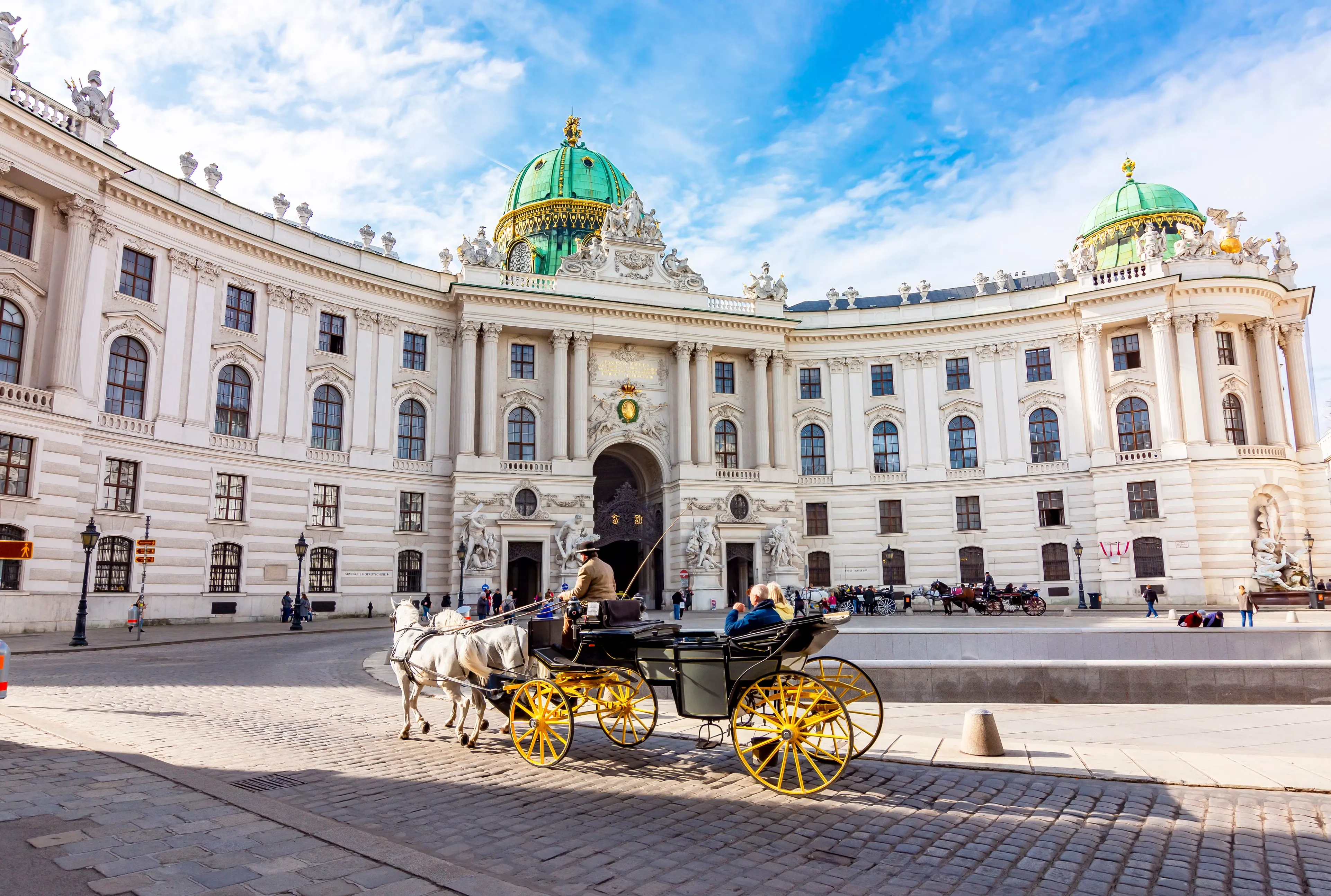
Kids do not need less history. They need history in motion.
Family rule for success
Use mini missions, not long lectures.
Try this:
- Mission 1: Find the room that feels most formal.
- Mission 2: Spot one object that looks uncomfortable but expensive.
- Mission 3: Describe a day as a young page at court.
Age-based pacing
| Age group | Focus window | Ideal stop length |
|---|---|---|
| 6-8 | 10-12 min bursts | 60-75 min total |
| 9-12 | 15-20 min bursts | 90 min total |
| Teens | Full narrative possible | 2+ hours |
Snack and break rhythm
- Entry and first section.
- Courtyard break.
- Final section.
- Reward stop nearby.
The break is not a failure. It is your attention reset tool.
Quick scavenger card
- Crown symbol
- Animal motif
- Giant mirror
- Object made for ceremony only
- Room you would not want to sleep in
A scene to carry with you
Picture the transition that makes Hofburg unforgettable: a bright square outside, then a threshold, then the hush of imperial interiors. Footsteps soften on polished floors. Mirrors repeat movement. A uniformed attendant gestures gently forward, and suddenly the palace is not remote history but a sequence of lived decisions: who enters, who waits, who speaks, who remains silent.
That shift from city noise to ceremonial quiet is the emotional key to these spaces. If you pause for ten seconds at each doorway, the rooms begin to "speak" in order rather than as isolated displays.
Deeper reading framework
Use this quick framework to make the visit richer in real time:
- Function first: ask what this room or object was for before asking whether it is beautiful.
- Power second: identify who gained status, access, or visibility here.
- Memory third: notice how the modern museum frames the same material for contemporary visitors.
A useful traveler rule: when you feel overloaded, choose one object and stay with it for two full minutes. Depth restores clarity.
Practical narrative upgrade
| Moment | What to do | Why it helps |
|---|---|---|
| Entering a new section | Read only the intro panel first | Creates storyline before detail |
| Mid-visit fatigue | Take a 5-10 minute reset in open air | Improves attention for final rooms |
| Final room | Write one sentence in your notes | Locks memory into meaning |
Bottom line
When children leave with one vivid scene in memory, the visit is a success. Hofburg offers many such scenes if you frame them as stories.
关于作者

Vienna Palace Editorial Team
这份指南面向希望在到访 Hofburg Wien 前获得清晰、诚实且真正有用信息的旅行者。目标是帮助你提前理解参观内容、选对门票形式,并更有把握地体验茜茜博物馆与皇帝公寓。
Tags
Comments (0)
Loading comments...