Hofburg History Timeline - Habsburg Era Explained
Use this clear timeline to understand Hofburg evolution from fortress roots to modern museum complex.
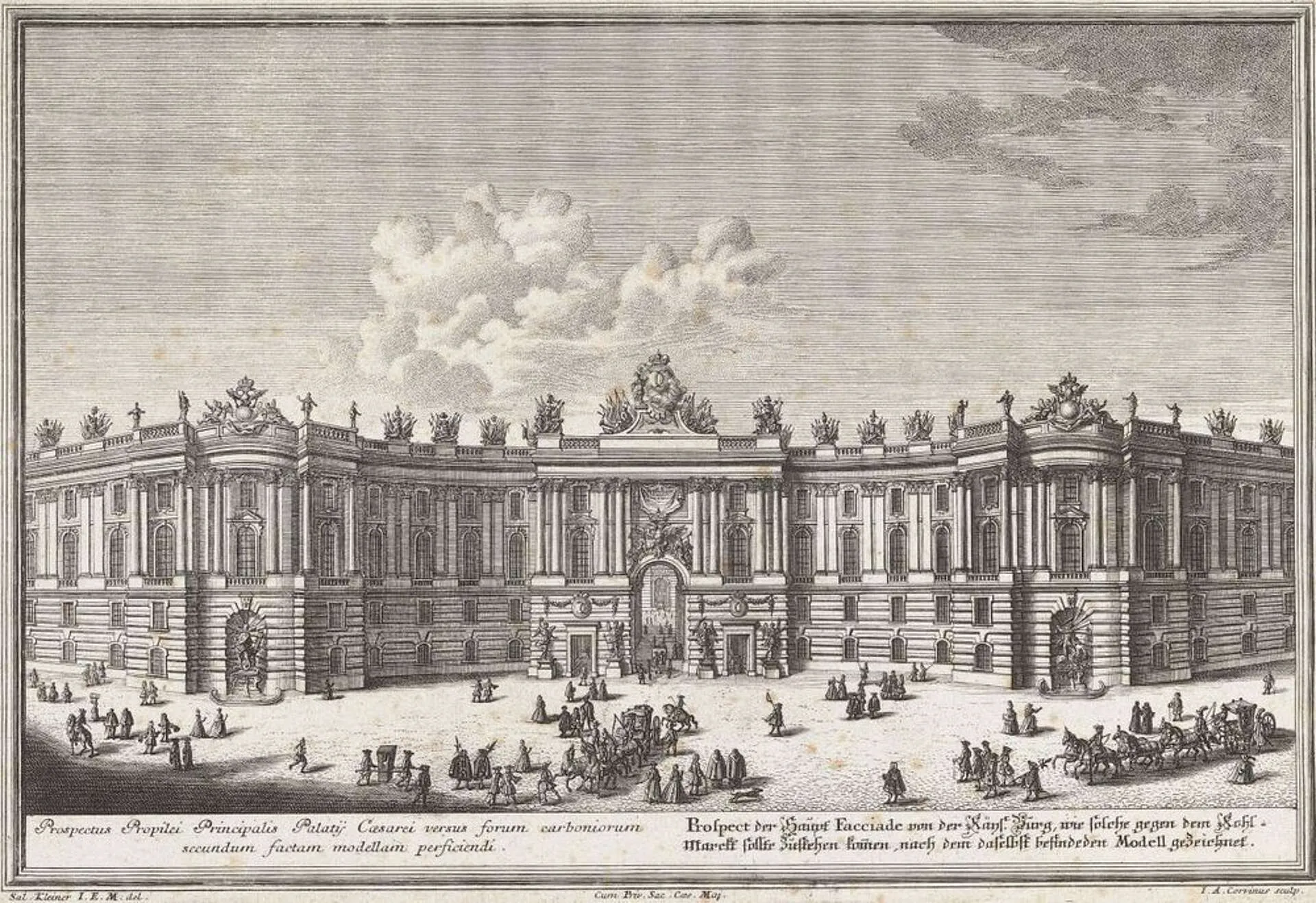
Hofburg can feel overwhelming without chronology. Use this compact timeline as your mental map.
Timeline in four arcs
Arc I - Foundations
Medieval core structures establish strategic and symbolic presence.
Arc II - Dynastic expansion
Habsburg consolidation drives architectural growth and ceremonial scale.
Arc III - Nineteenth-century image politics
Court culture and imperial representation intensify under modern pressure.
Arc IV - After empire
Monarchical spaces become public heritage and historical interpretation.
On-site timeline trick
At each room, ask:
- Which arc does this belong to?
- Is this room about governance, ceremony, or memory?
A scene to carry with you
Picture the transition that makes Hofburg unforgettable: a bright square outside, then a threshold, then the hush of imperial interiors. Footsteps soften on polished floors. Mirrors repeat movement. A uniformed attendant gestures gently forward, and suddenly the palace is not remote history but a sequence of lived decisions: who enters, who waits, who speaks, who remains silent.
That shift from city noise to ceremonial quiet is the emotional key to these spaces. If you pause for ten seconds at each doorway, the rooms begin to "speak" in order rather than as isolated displays.
Deeper reading framework
Use this quick framework to make the visit richer in real time:
- Function first: ask what this room or object was for before asking whether it is beautiful.
- Power second: identify who gained status, access, or visibility here.
- Memory third: notice how the modern museum frames the same material for contemporary visitors.
A useful traveler rule: when you feel overloaded, choose one object and stay with it for two full minutes. Depth restores clarity.
Practical narrative upgrade
| Moment | What to do | Why it helps |
|---|---|---|
| Entering a new section | Read only the intro panel first | Creates storyline before detail |
| Mid-visit fatigue | Take a 5-10 minute reset in open air | Improves attention for final rooms |
| Final room | Write one sentence in your notes | Locks memory into meaning |
Bottom line
Chronology turns Hofburg from a maze into a readable narrative.
A szerzőről

Vienna Palace Editorial Team
Ez az utmutato azoknak az utazoknak keszult, akik a Hofburg Wien latogatasa elott tiszta, oszinte es valoban hasznalhato informaciot keresnek. A cel, hogy pontosan tudd, mit fogsz latni, megfelelo jegytipust valassz, es magabiztosan elvezd a Sisi Muzeumot es a Csaszari Lakosztalyokat.
Tags
Comments (0)
Loading comments...